


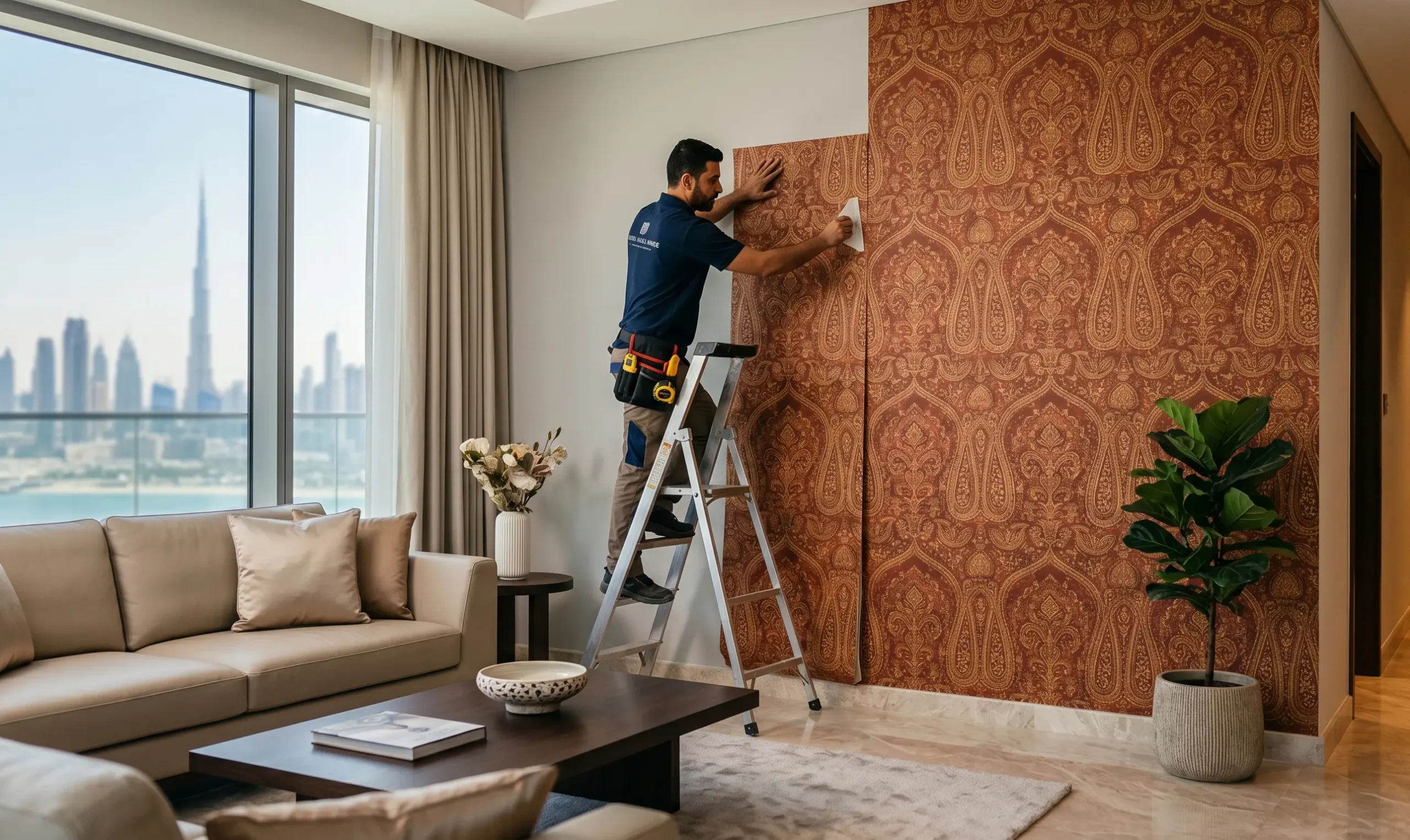
The interior design landscape in the United Arab Emirates, and specifically within Dubai’s dynamic real estate market, is constantly evolving. Property owners and corporate entities in this region no longer treat interior renovations as merely functional necessities. Instead, upgrading a space has become a deeply emotional, identity-driven investment designed to communicate personal values, narratives, and status. At the center of this aesthetic shift is the strategic use of premium wall coverings, which possess the unique ability to instantly elevate the psychological and visual atmosphere of any given room.
However, achieving that flawless, magazine-quality finish often comes with a significant amount of cognitive friction. Consumers across all segments share a common, profound fear: spending substantial financial resources on a renovation that looks inferior in reality, fails to withstand the local climate, or disrupts their daily life due to unprofessional installation. To bypass these risks, you need a clear, authoritative framework that removes the operational friction from the hiring process. This step-by-step guide will help you navigate the complexities of securing premier wallpaper installation services in the UAE, ensuring a pristine and highly durable transformation.
Phase 1: Establish Your Foundation
Measure Your Wall Space Strategically
- Establish a Baseline: While your eventual licensed installer will take precise, laser-guided measurements, calculating your own rough dimensions allows you to estimate preliminary budgets.
- Account for Anomalies: Meticulously measure the total width and height of the walls, making sure to factor in structural columns, prominent baseboards, recessed alcoves, and complex window frames.
- Understand Pattern Wastage: Physical wall dimensions do not directly equal the amount of material you need to purchase. High-quality wallpapers have a “pattern repeat,” meaning the design duplicates at exact vertical distances. Because installers must align these repeats horizontally across seams to create an unbroken image, there is inherent material wastage.
- Calculate the Overage: Possessing rough measurements allows you to mathematically calculate a provisional overage margin, which is typically estimated between ten to fifteen percent for premium materials.
Curate Your Aesthetic Vision
The design phase is arguably the most emotionally resonant part of your transformation. Contemporary Dubai design trends for 2025 and 2026 lean heavily into biophilic designs, earthy colour palettes, and cultural fusion. Notably, the demand for Indian Wallpaper for Living Room Dubai has skyrocketed, as it infuses stark, minimalist modern spaces with deep historical context and profound emotional warmth.
When gathering inspiration, consider how different motifs appeal to your specific psychological profile and spatial needs:
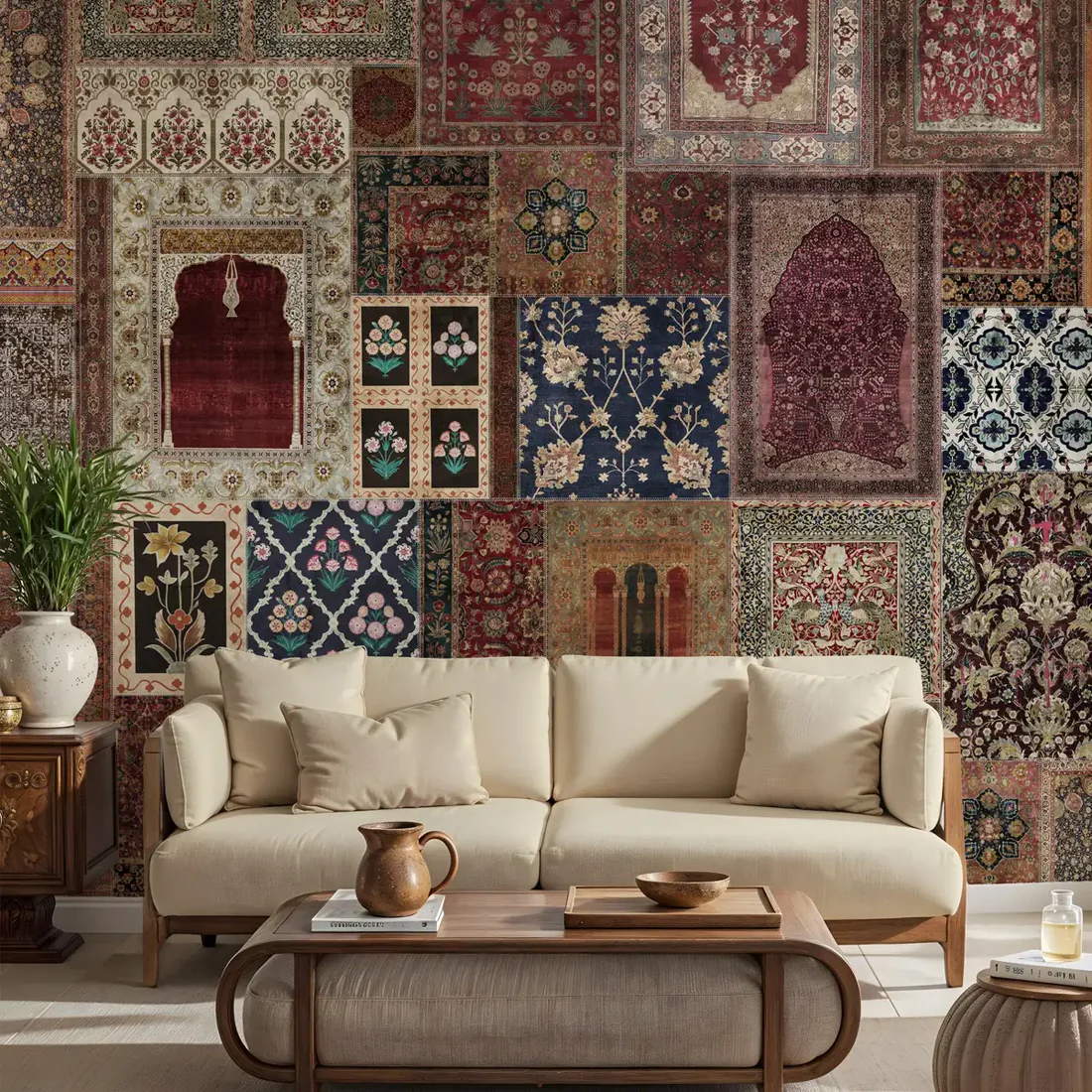
- Aalishan Exquisite Indian Carpet Design: This design mimics the dense geometric complexity of traditional Indian woven textiles, appealing directly to a desire for opulence and grounding modern living rooms with historical gravity.
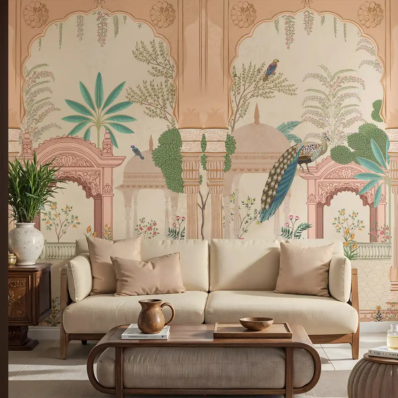
- Aangan Indian Theme Wallpaper with Peacocks: Integrating peacock motifs acts as an effective biophilic design element, bringing organic geometries indoors to reduce visual fatigue.
- Anant Madhubani Design Mural: Showcasing traditional Indian folk art with dense floral and geometric patterns, this creates a captivating and dramatic accent wall.
Remember to factor in color psychology; warm terracotta and muted saffron shades actively encourage social interaction and conversation, making them perfect for communal drawing rooms. Conversely, strict geometric Mughal motifs or symmetrical mandala designs promote a calm, deeply focused mood.

Phase 2: Source and Vet Your Professionals
With measurements and aesthetics finalized, the objective shifts to aggressive risk mitigation. The UAE market features a highly fragmented spectrum of service providers. Selecting a candidate based purely on the lowest price point is a cognitive failure that frequently leads to inferior workmanship and damaged materials.
Build a Highly Targeted Shortlist
Leverage Dubai’s localised digital infrastructure by using specific, intent-based search queries like “expert Indian wallpaper installers” or “premium custom wallpaper fixing services Dubai”. Focus entirely on compiling a targeted list of five to seven companies that explicitly specialise in luxury wall treatments. You must avoid general facility maintenance firms that treat wallpapering as a secondary add-on service, as they often lack the dedicated expertise required to handle delicate, premium materials like heavy non-woven textiles without error.
Verify Legal Credentials
In Dubai’s strong commercial regulatory environment, verifying a company’s legal standing is essential.
- Trade Licenses: Ensure the prospective installer holds a valid trade license issued directly by the Dubai Department of Economy and Tourism (DET), or an eTrader License for smaller boutique firms.
- Labour Compliance: For installations in secure residential zones or gated communities such as Emirates Hills, the company must hold an official establishment card from the Ministry of Human Resources and Emiratisation (MoHRE) and the General Directorate of Residency and Foreign Affairs (GDRFA) to ensure its workforce is legally sponsored.
- Safety Adherence: Premium firms must also maintain comprehensive liability insurance and strictly adhere to Dubai Municipality regulations regarding hazardous waste disposal and occupational safety.
Audit Technical Portfolios
A professional portfolio is a technical dossier that clearly demonstrates the installer’s physical proficiency. Analyse their high-resolution images closely:
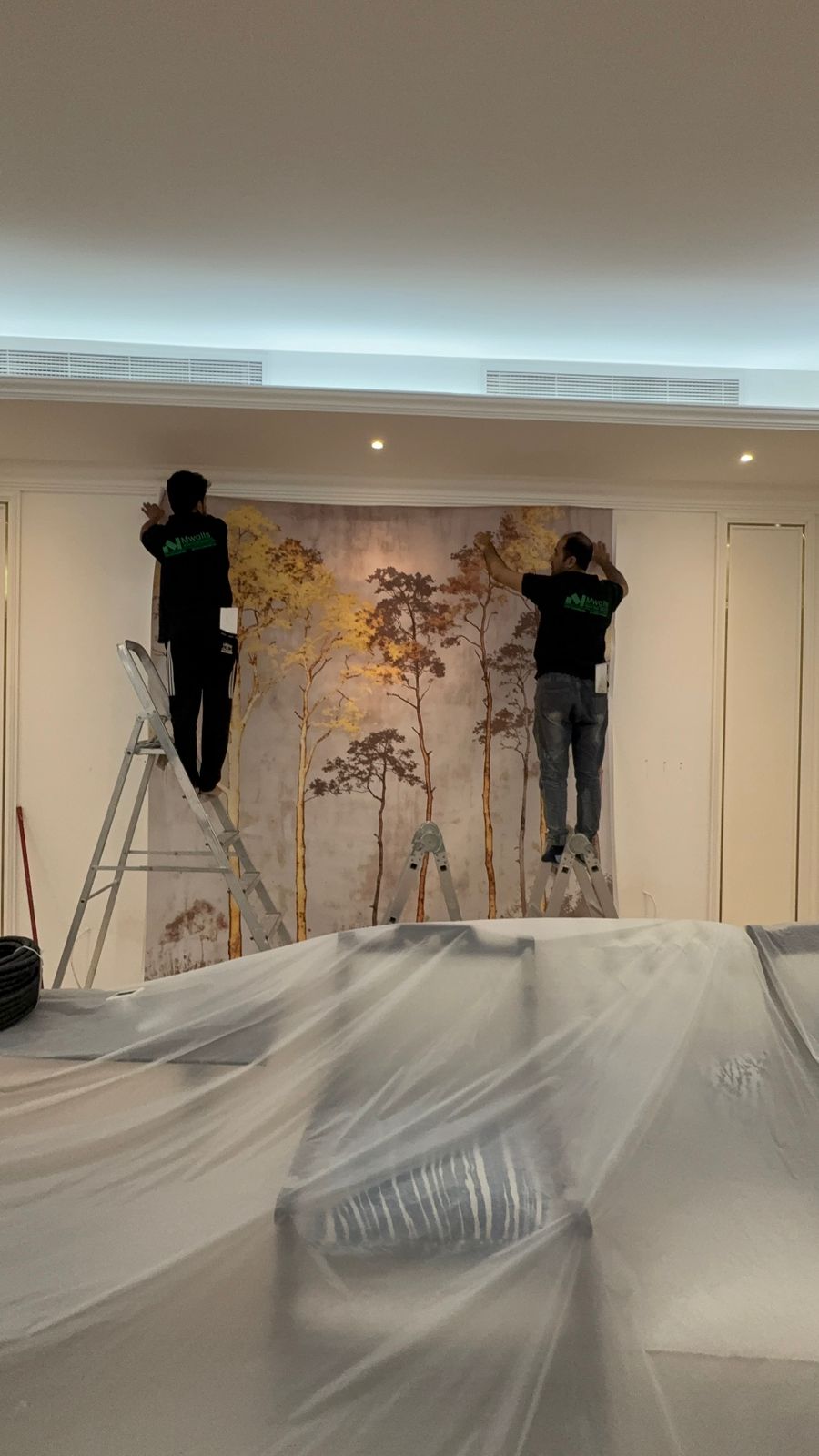
- Seam Quality: The vertical juncture where two separate wallpaper panels meet should be virtually imperceptible to the naked eye.
- Pattern Alignment: Look for irrefutable visual evidence of perfect pattern matching, especially critical for intricate Indian geometric designs or Pichwai storytelling scenes. Mismatched floral stems or visible gaps indicate a lack of technical precision.
- Architectural Handling: Examine how the installer manages internal and external structural corners. Expert installers utilise precise cutting techniques to wrap the paper seamlessly around corners without fraying or tension tears.
Phase 3: Inspect Materials in the Real World
While online browsing is excellent for inspiration, it inherently lacks the capacity for tactile verification. To overcome the fear of a product looking drastically different in reality than on a screen, physical interaction is a strategic necessity.
Visit the installer’s dedicated showroom to evaluate the true color fidelity and tactile texture of your chosen design. The UAE’s stark, high-intensity natural sunlight interacts dynamically with different finishes. By viewing a sample swatch under various lighting conditions, you can accurately predict its behavior. Matte finishes are highly recommended in Dubai because they actively diffuse harsh sunlight and prevent visual glare.
Furthermore, you must rigorously evaluate the material science of the product. The UAE’s extreme climate, characterized by pervasive ambient humidity and the constant operation of HVAC systems, creates highly volatile indoor microclimates. Traditional, highly porous cellulose-based paper wallpapers absorb moisture in humid environments, inevitably leading to severe surface bubbling and hazardous mold propagation.
Instead, opt for heavy-duty vinyl or advanced, vinyl-coated non-woven substrates, which exhibit vastly superior resistance to localized humidity and physical abrasion. You must also remain highly skeptical of temporary “peel-and-stick” solutions; their acrylic adhesives frequently fail under the thermodynamic stress of Dubai’s humidity fluctuations, resulting in lifting edges and a drastically reduced functional lifespan of merely three to five years.
Phase 4: The On-Site Diagnostic Assessment
A reputable wallpaper fixing service operating in Dubai will absolutely insist on conducting a comprehensive, in-person assessment at your home before finalising any contracts. This visit is a highly detailed diagnostic procedure.
The installation expert must deeply evaluate the structural and environmental conditions of the target walls. Because many Dubai residential properties feature highly washable, high-gloss, or semi-gloss acrylic paints that chemically resist wallpaper adhesive, the expert must determine if the walls require mechanical sanding, a smoothing skim coat, or the application of a specialized acrylic primer.
Additionally, the installer must conduct a localized climate impact assessment, meticulously analyzing the proximity of target walls to active HVAC and air conditioning vents. Direct blasts of freezing air can cause water-based wallpaper adhesives to dry too rapidly, leading to extreme tension fractures or permanent air bubbling.
Demand Transparent Financials
Following the site visit, explicitly demand an exhaustive, mathematically itemised quote. Vague, lump-sum estimations are a conduit for hidden surcharges and mid-project price escalations. The proposal should systematically separate the total project cost into distinct categories:
- Material Costs: The raw cost based on precise square meterage and required pattern-matching overage.
- Labour & Installation: The cost of physical application is highly dependent on the pattern’s intricacy.
- Site Preparation: Costs for rectifying wall imperfections, such as skimming or priming.
- Removal / Disposal: The cost to safely strip existing wallpaper and legally dispose of debris per Dubai Municipality regulations.
Phase 5: Legal Parameters and Execution
Before signing any legally binding documentation, you must explicitly negotiate the exact parameters of the installer’s workmanship guarantees and post-installation support infrastructure. Top-tier services offer written warranties covering installation faults. The contract should clearly state that if severe structural issues arise, such as the lifting of vertical seams or the manifestation of trapped air bubbles, within a specified 6 to 12 month timeframe, the company is legally obligated to rectify the fault at no additional charge.
You should also confirm their environmental acclimatisation protocol. Premium wallpaper substrates must physically sit in the specific room where they will be installed for a minimum of 24 hours prior to application. This allows the material to adjust molecularly to the ambient temperature and humidity, drastically reducing the risk of post-installation thermal shrinkage.
Finally, ensure your chosen firm is highly adept at independently handling complex bureaucratic processes, such as securing formal No Objection Certificates (NOCs) and specific access permits required by luxury high-rise towers and premium gated communities.
By adhering to this rigorous framework, you can permanently bypass the intense stress of navigating unverified contractors. If you want to eliminate logistical friction, consider a vertically integrated company like Mwalls. By utilising a single-source provider that offers both a highly curated collection of authentic Indian Inspiration Wallpapers and an in-house team of fully licensed technicians, you ensure flawless execution and eliminate the “finger-pointing” that occurs when an independent installer blames a separate material supplier for on-site failures.